Grasping Corporate Immigration: A Comprehensive Guide for Organizations
The realm of corporate immigration serves as a crucial factor in today's business landscape. It empowers businesses to leverage worldwide talent resources while staying competitive in multiple markets. Yet, managing the complicated aspects of visa types and adherence to regulations can prove difficult. Comprehending these components is vital for organizations seeking to recruit and keep exceptional professionals. The upcoming sections will present essential tactics and elements that can substantially affect an organization's immigration strategy.
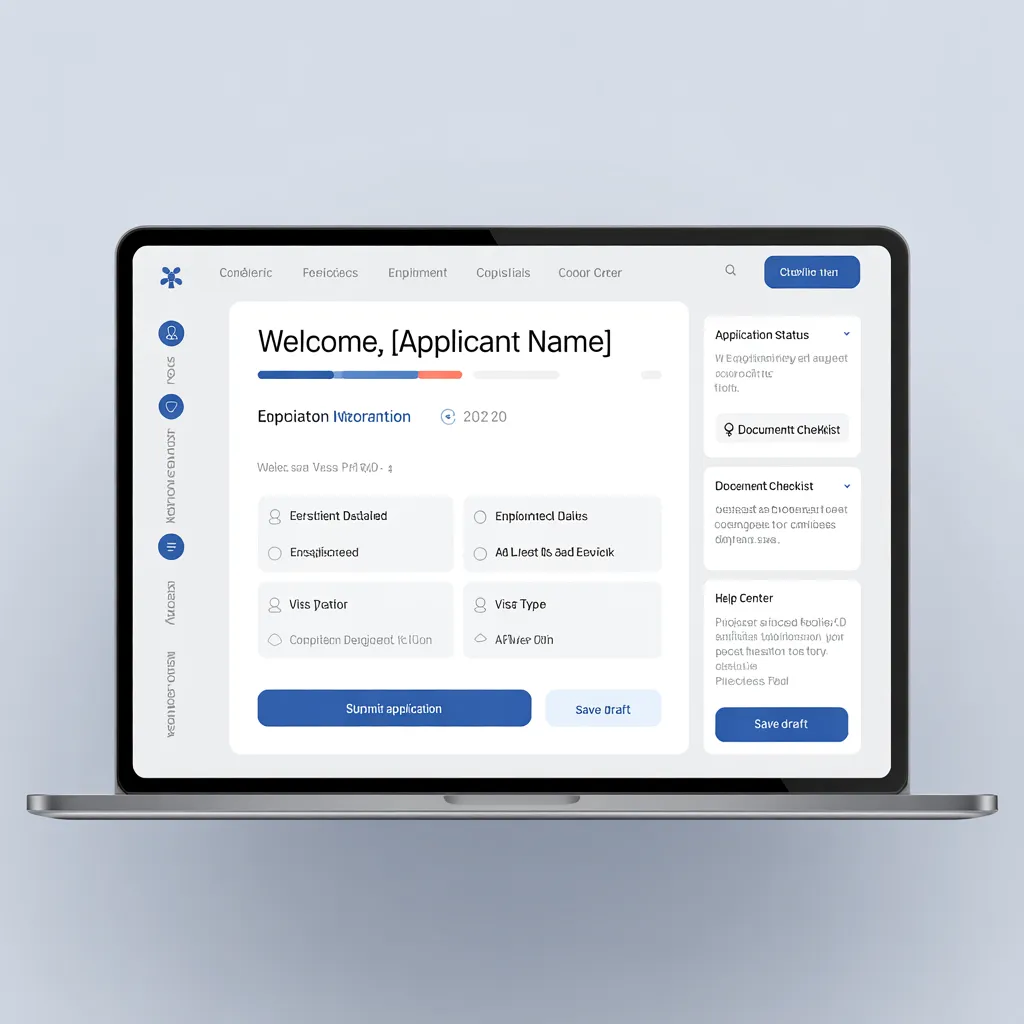
The Critical Role of Corporate Immigration in Today's Market
With the rise of global business operations, the importance of corporate immigration has become increasingly significant. Companies commonly seek to attract the best talent from around the world to maintain competitiveness and drive innovation. Corporate immigration permits organizations to harness diverse skill sets, fostering creativity and problem-solving capabilities that are crucial in today's dynamic market. Furthermore, managing the complexities of international labor laws and visa regulations can promote smoother relocations for employees relocating abroad. This process not only enhances workforce diversity but also solidifies a company's global presence. As industries progress, the ability to mobilize talent rapidly and efficiently becomes essential. Corporate immigration consequently serves as a strategic tool, allowing businesses to adapt to market demands while ensuring compliance with legal frameworks. In this landscape, understanding the importance of corporate immigration is critical for businesses aiming for sustainable growth and long-term success in the international arena.
Main Immigration Categories and Visa Possibilities
Managing the terrain of corporate immigration demands a solid understanding of key immigration categories and visa options offered to businesses. Employers often consider numerous visa types to support the hiring of foreign talent. The H-1B visa is one of the most recognized options, allowing companies to engage foreign workers in specialty occupations. Likewise, the L-1 visa permits intra-company transfers, permitting multinational corporations to relocate employees between offices. For executives and managers, the L-1A visa provides an optimal solution, while the L-1B visa accommodates employees with specialized knowledge. In addition, the O-1 visa is tailored for individuals with extraordinary ability in their fields. For temporary assignments, the B-1 visa delivers a short-term solution for business visitors. Understanding these categories allows organizations efficiently navigate the challenges of corporate immigration, ensuring compliance and maximizing workforce potential.
Managing the Application Process
Grasping the different visa choices is only the first step in the corporate immigration process. After the correct visa category is established, businesses need to gather and submit a complete application. This includes compiling required documentation, which often involves proof of employment, educational qualifications, and conformity with particular regulatory requirements.
Employers must verify all forms are accurately completed, as errors can cause delays or denials. It is vital to preserve open lines of communication with the employees affected, offering them guidance on necessary documents and timelines.
In addition, companies must be cognizant of any fees related to the application process, which can vary depending on the visa category. Partnering with immigration attorneys or consultants can expedite this process, ensuring that all legal responsibilities are met. By successfully managing the application process, businesses can improve their chances of securing the needed visas for their global workforce.
Typical Business Challenges
Organizations regularly experience considerable obstacles in the realm of corporate immigration, primarily due to intricate immigration laws that can vary widely by region. These complicated laws hinder talent acquisition, making it challenging for organizations to secure the skilled workers they require. As a result, organizations must handle both legal frameworks and workforce shortages concurrently.
Intricate Immigration Requirements
Traversing the labyrinth of intricate immigration rules creates substantial obstacles for numerous organizations. Businesses commonly grapple with a wide range of laws and policies that change not only by country but also by province or locality. The nuances of visa categories, eligibility qualifications, and application processes can generate confusion, causing potential compliance problems. Additionally, constant changes in immigration laws require organizations to remain informed and adaptable, which can strain resources. Misunderstandings about regulatory obligations can cause delays, increased costs, and even penalties. Therefore, many companies end up investing considerable time and effort to navigate this complex landscape, emphasizing the necessity for strong immigration strategies and expert guidance to guarantee compliance and operational efficiency.
Talent Sourcing Challenges
Navigating complex immigration regulations often hinders the talent acquisition process for organizations. Companies face difficulties in locating qualified candidates who possess the essential skills while at the same time meeting visa stipulations. The extended application processes and potential delays can deter top talent from pursuing opportunities, resulting in increased competition among employers. Moreover, the ever-changing nature of immigration policies makes it difficult for companies to keep updated and compliant, further hampering recruitment efforts. Organizations may also encounter difficulties in sponsoring international employees, as the associated costs and resource allocation can tax operational budgets. In the end, these barriers can hinder effective talent acquisition, forcing companies to reevaluate their strategies in securing and retaining skilled personnel in a global market.
Tactics for Successful Talent Acquisition
Effective talent acquisition necessitates effective strategies that tap into global talent resources and simplify visa processes. Companies that harness these resources can secure and retain top candidates from wide-ranging backgrounds. By optimizing these approaches, organizations can strengthen their competitive edge in the global market.
Utilizing Global Talent Pools
As enterprises steadily pursue expansion of their market presence and encourage innovation, leveraging global talent networks has become essential for productive talent sourcing. By tapping into multifaceted skill repositories, organizations can access specialized competencies and insights that fuel creative advancement. Employing platforms such as LinkedIn, cross-border recruitment sites, and field-related networks enables businesses to connect with prospective talent globally. Moreover, establishing alliances with academic institutions and industry associations can enhance recruitment efforts. Organizations ought to explore building a strong employer brand that resonates globally, drawing elite professionals. By adopting these tactics, organizations can traverse the dynamic industry terrain and construct a team prepared to fulfill evolving market demands, consequently improving their functional excellence and worldwide reach.
Streamlining Entry Visa Processes
Managing the intricacies of global talent acquisition requires not only access to extensive skill sets but also an streamlined framework for securing the needed work visas. Companies can streamline visa processes by adopting best practices that include timely engagement with immigration counsel, understanding individual visa requirements, and maintaining well-structured documentation. Setting up a dedicated immigration team can enable communication between HR, legal, and potential candidates, guaranteeing everyone is informed throughout the process. Leveraging technology, such as tracking systems copyright, can improve efficiency and provide real-time updates. Furthermore, cultivating relationships with local consulates and immigration authorities can accelerate approvals. By implementing these review strategies, businesses can improve their talent acquisition efforts and limit delays associated with visa processing.
Securing Regulatory Compliance and Industry Best Practices
When navigating the complexities of corporate immigration, companies must prioritize compliance and implement best practices to minimize risks. Building a comprehensive immigration strategy is crucial, featuring regular audits of documentation and visa statuses for employees. Businesses should stay informed on immigration laws and policies, as these can shift regularly.
Training staff on compliance requirements can minimize errors and guarantee adherence to regulations. Employing technological solutions, such as applicant tracking systems, can enhance immigration process administration, decreasing the chance of oversights.
Additionally, organizations should encourage open communication between human resources, legal teams, and employees to address immigration questions promptly. Partnering with experienced immigration counsel can provide valuable guidance and support.
Most Asked Questions
What Expenses Should You Expect for Corporate Immigration Services?
Corporate immigration services typically involve costs such as attorney fees, application processing costs, compliance evaluations, and potential relocation costs. Further elements may include advisory costs and costs connected to employee training and documentation preparation.
How Can Organizations Stay Informed About Immigration Policy Changes?
Organizations can stay informed about immigration policy changes by signing up for legal newsletters, participating in relevant workshops, employing compliance software, and working with immigration attorneys who specialize in corporate matters to remain informed about updates and potential impacts on operations.
How Does Corporate Immigration Affect Company Culture?
Corporate immigration significantly impacts company culture by encouraging diversity, advancing inclusivity, and strengthening collaboration. It fosters a global perspective, spurring innovation and adaptability, while also shaping employee relationships and overall workplace dynamics in significant ways.
What Can Companies Do to Support Immigrant Workers Following Relocation?
Companies can support immigrant staff members after relocation by providing orientation programs, cultural integration workshops, access to language learning materials, mentorship programs, and establishing community networks, fostering a welcoming environment that facilitates integration and collaboration within the workplace.
What Are the Long-Term Benefits of Corporate Immigration for Businesses?
Enterprise immigration promotes diverse talent pools, elevates innovation, and advances global competitiveness. It also enhances brand reputation, improves employee retention, and fosters cultural exchange, ultimately fueling long-term growth and sustainability for companies in a globalized economy.